Japanese Communication in Meetings: Understanding Silence, Aizuchi & Business Etiquette
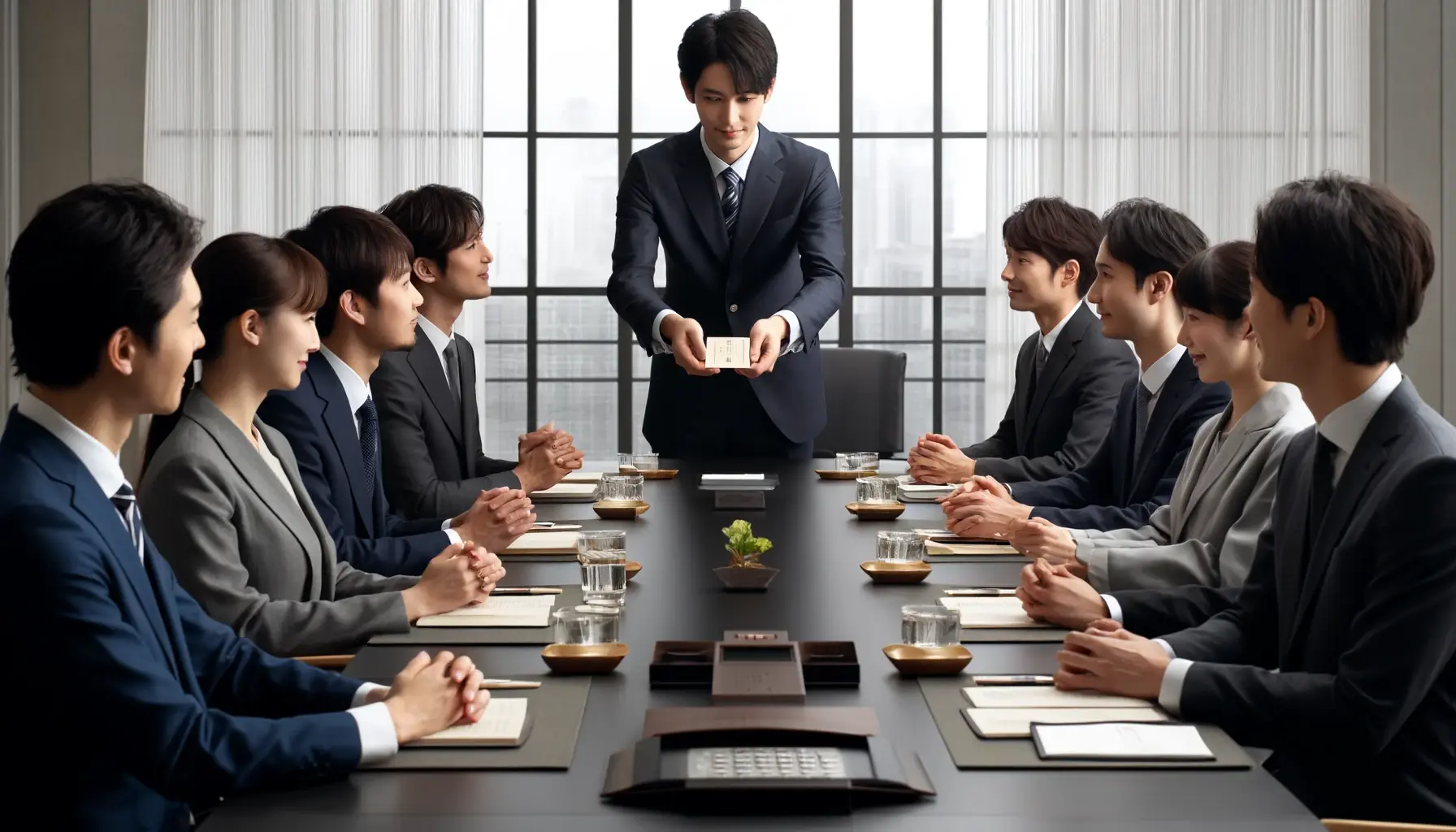
Japanese communication in meetings can feel very different for non-Japanese professionals. Meetings may seem unusually quiet, with long pauses and minimal interruptions. However, silence in Japanese business culture does not indicate disengagement — it reflects respect, thoughtful consideration, and collective responsibility.
Understanding Japanese communication in meetings helps prevent misinterpretation and builds stronger professional relationships with Japanese teams.
Table of Contents
-
Pauses in Japanese Meetings
-
Aizuchi and Its Importance
-
Common Japanese Phrases Heard in Meetings
-
Why Decisions Are Rarely Finalized in the Meeting Room
-
How to Communicate Effectively with Japanese Teams
Pauses in Japanese Meetings
Why Silence Matters in Japanese Business Culture
Pauses are an essential part of Japanese communication.
Japanese participants often take time to:
-
Process information carefully
-
Consider group impact before responding
-
Reflect before expressing disagreement
-
Avoid premature conclusions
When meetings are conducted in English (not their native language), additional time may be needed for internal translation and structured thinking.
Speaking too quickly or interrupting may be perceived as:
-
Impulsive
-
Disrespectful
-
Insensitive to group harmony
Silence in Japanese meetings allows:
-
Collective reflection
-
Preservation of harmony (和 – wa)
-
Thoughtful decision-making
Tip: Do not rush the silence. Allow space for responses.
Aizuchi (相槌) and Its Importance
What is Aizuchi?
あいづち(相槌) – Aizuchi
Short verbal responses used to show attentive listening — not necessarily agreement.
In Japanese meetings, listening is actively demonstrated through small verbal acknowledgements and nodding.
Common Aizuchi Expressions
-
はい (Hai) – Yes
-
そうですね (Sō desu ne) – I see / That’s right
These responses:
-
Show engagement
-
Encourage the speaker
-
Maintain conversational flow
Frequent nodding and soft responses reassure the speaker that they are being heard.
⚠️ Important:
Aizuchi does not always mean agreement. It often simply means, “I am listening.”
This contrasts with cultures where enthusiasm, debate, or strong opinions signal engagement.
Common Japanese Phrases Heard in Meetings
Certain Japanese phrases can be easily misunderstood in business settings.
“We’ll Consider It”
-
けんとうします(検討します) – Kentō shimasu
“We will consider it.”
This does not necessarily mean approval.
It often indicates:
-
Internal discussion is needed
-
Consensus-building will happen later
-
Further background consultation is required
“It’s a Bit Difficult”
-
ちょっとむずかしいです(ちょっと難しいです) – Chotto muzukashii desu
“It’s a bit difficult.”
This may be a polite way of saying:
-
It may not be possible
-
There are significant concerns
-
The proposal may not move forward
“We Will Confirm”
-
かくにんします(確認します) – Kakunin shimasu
“We will check / confirm.”
This means verification is needed before proceeding.
“Please Share Your Opinion”
-
いけんをきかせてください(意見を聞かせてください) – Iken o kikasete kudasai
“Please share your opinion.”
This is often said to encourage discussion in a respectful manner.
“We Will Think It Through Calmly”
-
おちついてかんがえます(落ち着いて考えます) – Ochitsuite kangaemasu
“We will think it through calmly.”
Implies careful consideration before any commitment.
“It’s Not Impossible, But…”
-
ぜんぜんむりではないですが(全然無理ではないですが) – Zenzen muri de wa nai desu ga
“It’s not impossible, but…”
This often signals hesitation or hidden concerns.
“We’ll Take It Back”
-
いちどもちかえります(一度持ち帰ります) – Ichido mochikaerimasu
“We’ll take this back.”
Means the matter will be discussed internally before a final response.
“It’s Fine”
-
けっこうです(結構です) – Kekkō desu
“It’s fine.”
Depending on context, this can mean:
-
That’s sufficient
-
No, thank you
-
It’s acceptable
Context is critical.
“We Will Think About It Positively”
-
まえむきにかんがえます(前向きに考えます) – Maemuki ni kangaemasu
“We will think about it in a positive way.”
This indicates openness, but not confirmation.
Why Decisions Are Rarely Finalized in Japanese Meetings
In Japanese corporate culture:
-
Meetings are often for sharing information
-
Reactions are observed carefully
-
Decisions are built through consensus (根回し – nemawashi)
-
Internal alignment happens outside the meeting room
The final decision is frequently made after discussions with relevant stakeholders.
How to Communicate Effectively with Japanese Teams
To build stronger trust and improve collaboration:
✔ Respect silence
✔ Avoid interrupting
✔ Do not equate aizuchi with agreement
✔ Follow up important points in writing
✔ Be patient with decision timelines
✔ Observe indirect cues carefully
Understanding Japanese meeting culture prevents frustration and reduces miscommunication.
Japanese Business Etiquette Training & Cultural Workshops
At Sakuraa Nihongo Resource Centre (SNRC), we place equal importance on:
-
Japanese language learning
-
Japanese business etiquette
-
Cross-cultural communication
-
Indo-Japanese professional collaboration
Understanding a language goes beyond vocabulary. It includes appreciating traditions, values, and professional norms that shape communication.
SNRC conducts:
-
Japanese culture workshops for Indians
-
Indian culture workshops for Japanese professionals
-
Business etiquette programs
-
Corporate training sessions
Our programs foster cross-cultural awareness, mutual respect, and smoother global interactions.
Contact Information
Sakuraa Nihongo Resource Centre®
📞 +91 89043 90300
📞 +91 80 2346 4677
📧 info@snrc.co.in
Other Blogs You May Be Interested In
-
Japanese Business Characteristics That You Should Know
https://snrc.co.in/japanese-business-characteristics-that-you-should-know/ -
Japanese Business Etiquette Program
https://snrc.co.in/japanese-business-etiquette-program/